Building Blocks Pediatric Therapy Assessments
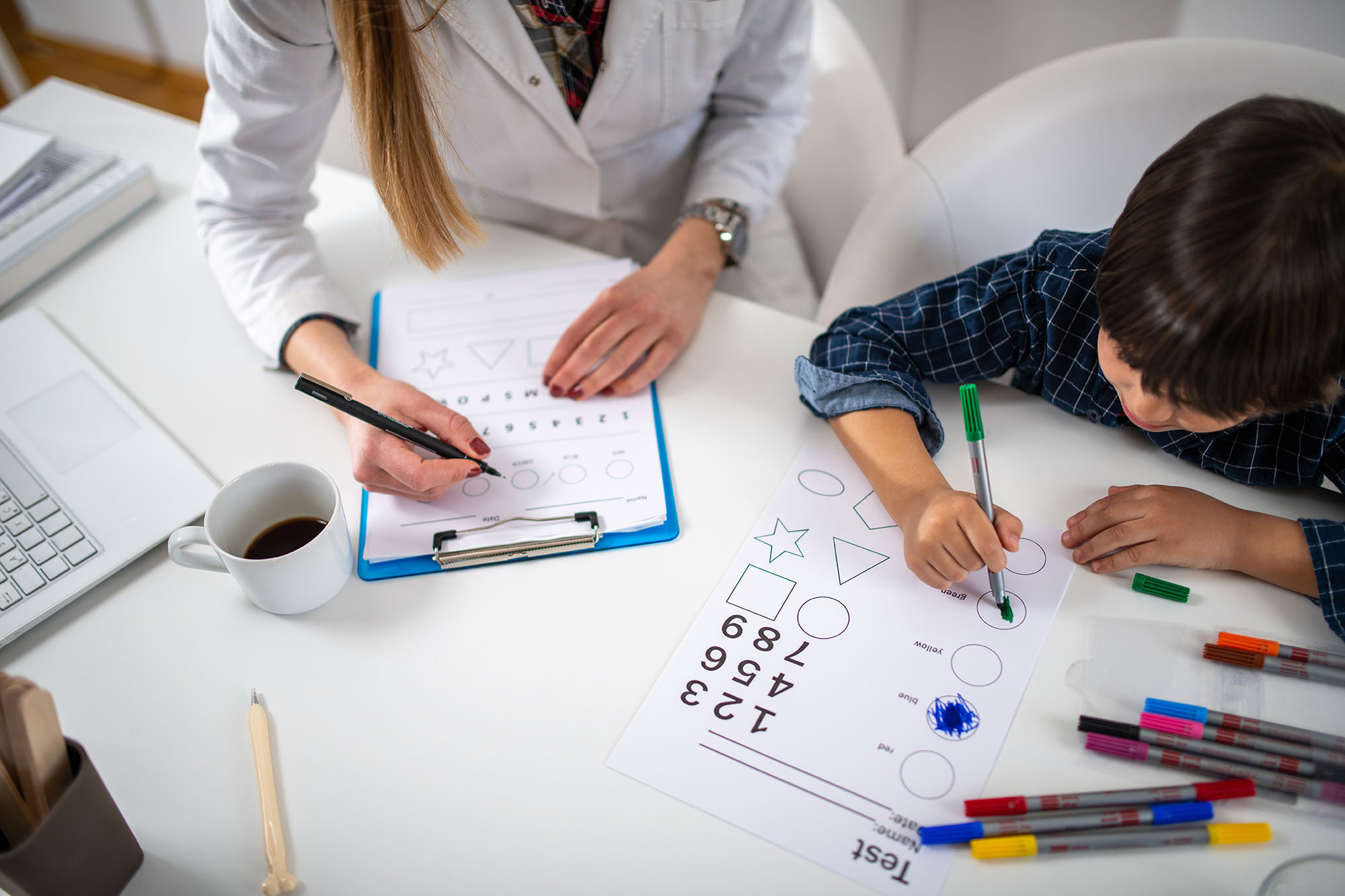
We offer OT assessments to better understand the sensory, motor and cognitive factors impacting your child’s daily functioning. Assessment findings help guide therapy goals and provide practical recommendations for home and school.
Assessments include:
- Sensory Processing Disorder (SPD)
- Developmental Coordination Disorder (DCD)
- Fine motor skills, including printing assessments
- Executive Function skills
Contact us today to learn how we can help your child thrive!
Pediatric acquired brain injury rehabilitation supports children and youth as they transition from hospital or rehabilitation back to everyday life at home, school, and in the community. After a concussion or brain injury, children may experience physical changes, fatigue, headaches, slower thinking, attention or memory challenges, and emotional ups and downs.
We provide individualized assessment and therapy to support recovery, reduce symptoms, and rebuild confidence through a gradual return to daily routines.
Support may include:
- Assessment of motor, cognitive, and executive function skills
- Physical and cognitive rehabilitation tailored to the child’s goals and developmental stage
- Motor skill improvement
- Pacing, rest breaks, and energy management strategies
- Organization, attention, and task completion supports
- Return-to-school planning (collaboration with educators, accommodations, gradual re-entry)
- Education and coaching for families and school staff
For more information visit: https://www.bc-cfa.org/programs/children-and-youth/brain-injury
We can help with:
- Pencil grasp, pre-writing, handwriting, and endurance
- Scissor skills, coloring, and drawing
- Hand strength, dexterity, and bilateral coordination
- Dressing fasteners (zippers, buttons, shoelaces) and tool use

We can help with:
- Big reactions, meltdowns, shutdowns, and difficulty with transitions
- Sensitivities to sound, touch, clothing, grooming, or crowded spaces
- Sensory seeking (crashing, jumping, constant movement, fidgeting)
- Body awareness, coordination, and calm-alert focus
We can help with:
- Coordination, balance, and motor planning
- Clumsiness, fatigue, and reduced confidence with movement
- Sports/play skills and daily functional movement
- Strategies and adaptations to reduce frustration and support participation

We can help with:
- Attention, task initiation, and follow-through
- Planning, organization, time management, and routines
- Emotional regulation, flexible thinking, and transitions
- School-based strategies and accommodations
We also support transitions from tube feeding to oral feeding, working alongside families and (when involved) the medical team to build oral skills, comfort, and safe progress.
We can help with:
- Expanding food variety and tolerance for new textures
- Chewing skills, pacing, and self-feeding
- Mealtime routines and reducing stress
- Tube-to-oral transitions with individualized, gradual plans
We can help with:
- Classroom observations and individualized recommendations
- Sensory tools, movement breaks, and environmental supports
- Fine motor/handwriting supports and workload accommodations
- Home–school carryover strategies
- Kindergarten readiness
Forms
If you would like to add your name to the Occupational Therapy client list , please fill out the intake form and email it to: info@buildingblockspeds.ca